Friday, 13 November 2015

Journalistic Context

There are many ways that a interview can be read or watched. this also means there are different types of interviews such as, print, television, online, sport, radio and feature writers. this means that you will have to go to the  interview with a different mind-set as there will be different things that the interviewer will want to get out of the interview.
Radio


The radio produce and interview as it is voice recorded with the interviewer. This then is cut into sound bites which allows the audience to listen to the key questions from the interview. Radio interviews are usually recorded in a studio or can be on the street (vox pops). After they can edit it on a computer. Now on radio broadcasters such as BBC radio 1, they now film the interviews with certain celebrities and interviewees. They upload this to YouTube or on their website. This allows the interviews to get a larger audience, as the radio is decreasing but the people who are not listening to the radio are watching clips on websites=. so they reach a more diverse audience.


television 
Media uses television to broadcast different types of news. Some of the main stories and types of news are shown on different shows such as entertainment, hard news and sports, human interest and investigative. The types of interviews would be more formal and less relaxed as they are trying to get the information and facts across to the audience. These will have different styles of broadcasting the news and will be broadcasted on different shows. Such as promotional interviews would be on shows which would be on prime time. Such as chat shows like graham Norton and Alan Carr who both have chats which have numerous guests use as self-promotion. These would be more relaxed like two friends speaking because this will make them feel more relaxed, which will make them open up more.
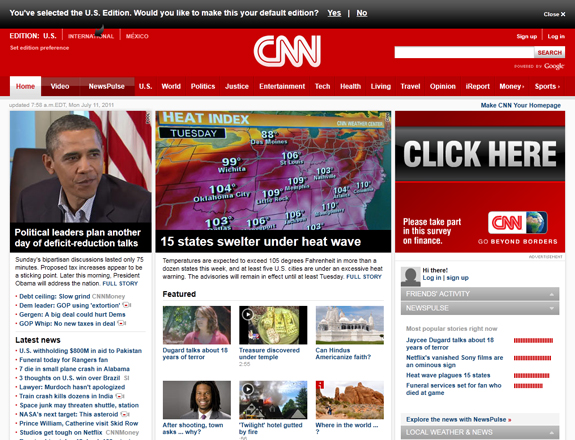
This is an example of a news type show which is on television. which show different types of news. so the interviews on this would be more formal such as if they interview politicians as they are trying to tell the public about the latest news stories.


Online
In recent years there are different there forms where you can share news one of these is online. You can look at all the different forms as now magazine and newspaper companies are now making them go online. This is to reach new customers as most people use the Internet or a tablet which is on the Internet. This means
sports
Sports Interviews are very quick and will be broadcasted over different forms such as on TV and the internet these will be short interviews after the match as people only get a small allocated time. some for around 3-5 minutes. So the questions need to be direct and need to get right to the key questions as there isn't much time to interview people and get the answers needed.


Monday, 2 November 2015

Stucturing

The structuring of the interview is very important. This is because the interviewer has to build up rapport and confidence. This ensures that the interviewer will get more in-depth answers to the questions which you really want. These would be called 'key questions' the other stages are;


• Introduction 
• Developmental
• Confidence building 
• Key questions 
• Sound Bites 
• Summary 
• Wind Up


Introduction
This is where the interviewer introduces the interviewee. This helps them to the audience to understand who the guest is. in the Alan Carr interview with Taylor Swift. he introduces her as the 'Biggest thing in pop this year'. He also gives her compliments this helps her to relax and builds up her confidence.
Developmental
developmental questions help build the confidence of the quest and help set the mood of the interview. This also allows them to ask questions which the interviewee might know. For example in the Taylor Swift and Alan Carr interview the developmental questions were  about her moving into her new house, also speaks about Gandalf and where did he go. She also receives a painting which is of Cats playing poker.
Confidence Building
Confidence Building questions are the questions which are asked before the key questions. These are needed so that the interviewee has more confidence and will answer the Key Questions as they might just refuse to ask them if there isn't any rapport in the interview. In the example of Taylor Swift and Alan Carr he speaks about her new album and about her fans going to her house to have a party for the release. These are confidence building questions as they are questions which that she will want to answer.
Key Questions
the Key Questions are the main part of the interview. These are the questions which everybody wants to hear the answers to. The key questions in the example of Alan Carr and Taylor Swift include questions on her album and her new single. This leads to a conversation about what influenced it and jive bunny. Then the questions are around her new music video, for her new single. These are asked because everybody wants to know the answers. These are answered due to the rapport which is built up through the developmental and confidence building questions.
Sound Bites
Sound bites are voice clips which are cut out from the key questions. This is that the interview can be cut down, which then can be played on radio or on the news. As on key 103 there cant be a clip which is longer than 15 seconds. 
Summary 
The summary is where the interview starts to come to an end. This is where they start to summaries the interview. In the example of Alan Carr and Taylor Swift the summary is when he says thank you to Taylor and Introduces her to sing her song and new single. 
Wind Up
The wind up is the end of the interview when the wrap it up. They usually leave on a good note this will keep the person as a contact. So even if you disagree if you politely end the interview this may help if you want to speak or reach out to them again. In the interview between Taylor and Alan, this is when she sings her song out. This shows a wind up as it is the end of the interview and that why she was there to promote her song. So he bigs it up so they have left on good terms.